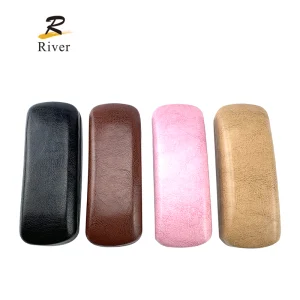
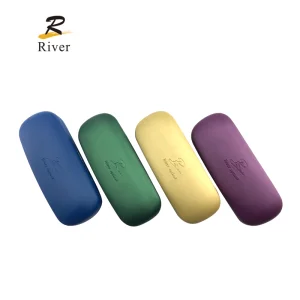
Custom Plastic Glasses Case Manufacturer & Factories

Global B2B Industrial Whitepaper: Precision Thermoplastic Injection Molding, Sustainable Polymer Science, and Next-Generation OEM/ODM Eyewear Protection Systems
Global Industrial & Commercial State of Plastic Eyewear Packaging
An authoritative analysis of market growth drivers, supply chain consolidation, and high-precision injection engineering in the international optical accessories sector.
$4.85 B
Global Eyewear Case Market by 2030
6.4%
Compound Annual Growth Rate (CAGR)
68%
Global Supply Originating from Danyang Hub
100%
Recyclable Polymer Compatibility Goal

The global eyewear packaging industry has transitioned from rudimentary protective covers into a highly sophisticated sector governed by polymer material science, ergonomic structural design, and brand differentiation strategy. As high-end corrective lenses, anti-blue light glasses, and luxury designer sunglasses experience surging worldwide demand, the necessity for robust, lightweight, and custom-tailored plastic glasses cases has expanded exponentially across key geographic markets including North America, Western Europe, and the Asia-Pacific region.

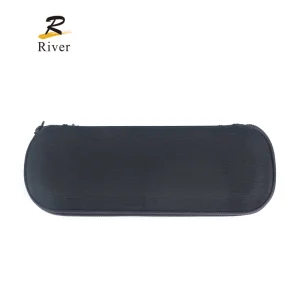
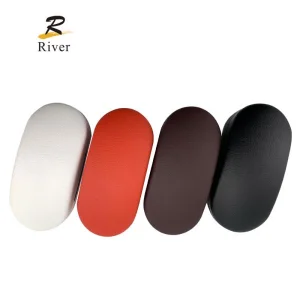
Modern thermoplastic rigid plastic cases—engineered predominantly from Polypropylene (PP), Acrylonitrile Butadiene Styrene (ABS), Polycarbonate (PC), and Ethylene-Vinyl Acetate (EVA)—form the backbone of bulk B2B optical distribution. Global retail optics chains, independent optometry practices, and direct-to-consumer (DTC) eyewear brands demand high dimensional stability, snap-closure reliability, impact dispersion, and tactile luxury. Manufacturing hubs like Danyang, China, serve as the global nexus for this supply ecosystem, offering integrated OEM/ODM capabilities ranging from custom steel mold tooling to micro-flocked velvet interior lining.

Strategic Market Insight: Custom plastic glasses cases are no longer treated merely as low-cost promotional giveaways. They act as essential secondary packaging that protects high-index coatings (such as anti-reflective and scratch-resistant hydrophobic coatings) from degradation while amplifying brand recall through customized hot-stamping, UV silk screening, and eco-certified material compositions.

Industry Trends & Advanced Polymer Engineering
Decarbonization, structural optimization, and high-speed automated injection molding defining the future of optical case manufacturing.
Eco-Friendly & GRS Certified Plastics
Transitioning from virgin petro-plastics to Recycled Polypropylene (rPP), post-consumer recycled PET (rPET), and biodegradable PLA compounds. Meeting strict European Union REACH and RoHS environmental directives without compromising structural yield strength.
Precision High-Pressure Injection
Utilizing computer-controlled injection molding systems with dynamic cavity pressure sensors to produce ultra-thin wall plastic frames, living hinges capable of over 10,000 flexing cycles, and zero-flash seam finishes.
Shock-Absorbent Composite Linings
Integration of high-density EVA shock barriers, micro-velvet anti-scratch linings, and eco-solvent non-toxic adhesive bounding layers that guarantee non-gasification, eliminating lens haze over extended storage periods.

Technical Material Comparison Matrix for Optical Buyers

Selecting the precise plastic resin balance is pivotal for optical hardware distributors balancing unit weight, shipping economics, and protective performance. Below is an engineering overview of standard materials used across modern custom plastic case factories:

1. Polypropylene (PP): Favored for living hinge integrated single-piece clam-shell cases. PP delivers outstanding chemical resistance, low density, and high fatigue endurance during repeated opening/closing actions.

2. Acrylonitrile Butadiene Styrene (ABS): Utilized in premium hard-shell metal-plastic hybrid structures requiring high impact resistance, rigid outer shells, and superior surface receptivity for metallic vacuum plating, soft-touch spray coatings, and silk-screened artwork.

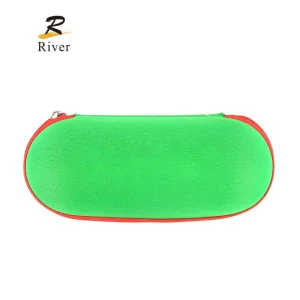
3. Ethylene-Vinyl Acetate (EVA): Thermoformed semi-rigid solution ideal for active sports eyewear, tactical goggles, and lightweight zipper cases, offering exceptional energy absorption upon drop testing.

Localized Application Scenarios & Intent Mining
Customizing physical properties and aesthetic treatments to match specific global market channels and functional end-use cases.
Retail Optometry Chains
High-volume, cost-effective snap-lock plastic cases with customized private-label brand logos. Built for high stackability in optical inventory garages and lightweight parcel shipping.
Luxury & Designer Brands
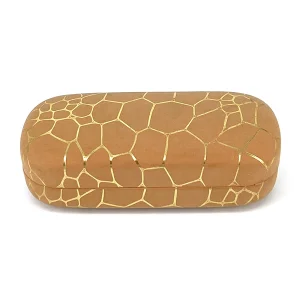
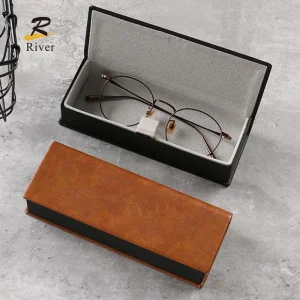
Hard-shell ABS/Metal structural cores covered in fine PU leatherette, textured stone-patterns, or piano-lacquer finish, providing an unboxing experience that matches premium optical frame pricing.
Industrial & Tactical Safety
Over-sized rigid polycarbonate plastic cases featuring carabiner clips, waterproof rubber gasket seals, and heavy-duty shock resistance for construction, military, and sports eyewear.
Technology Roadmap & Future Outlook (2025–2030)
Mapping the next era of smart packaging, digital anti-counterfeiting, and carbon-neutral production technologies.
Phase 1: 2025
Smart NFC/RFID Embedding

Integrating passive RFID and anti-counterfeiting NFC micro-tags directly into molded plastic walls during injection, enabling automated retail inventory scan and instant authenticity verification for luxury eyewear.

Phase 2: 2026
Bio-Polymer Replacement

Replacing 50%+ petroleum-based resins with bio-synthesized algae plastics and agricultural waste polypropylene derivatives that naturally decompose under industrial composting parameters.

Phase 3: 2027
AI Mold Flow Optimization

Deploying machine learning algorithms to adjust injection pressure, cooling cycle times, and gate placements in real-time, reducing material waste by 18% and energy consumption per unit by 25%.

Phase 4: 2028-2030
Closed-Loop B2B Recycling

Establishing international reverse-logistics programs where optical retailers return obsolete or damaged plastic cases to centralized factories for regrinding into new production cycles.

Macro Industry Solutions & Turnkey OEM/ODM Customization
End-to-end engineering support from concept CAD rendering and rapid 3D prototyping to mass injection molding and international logistics compliance.
1. Tooling & Rapid Mold Creation
In-house CNC tooling workshops equipped to manufacture high-precision steel multi-cavity injection molds within 15–20 days. Rapid sample turnaround in 72 hours via SLA/SLS 3D prototyping.
2. Custom Surface Finishing
Comprehensive post-processing treatments including high-gloss UV coating, matte soft-touch spraying, vacuum metallization, carbon fiber texture embossing, laser engraving, and multi-color pad printing.
3. Comprehensive Quality Assurance
Strict adherence to ISO 9001 quality management standard. Each batch undergoes rigorous hinge durability testing (10k cycles), drop testing (1.5m impact), low-temperature brittle testing (-15°C), and non-toxic chemical screening.
Danyang River Optical Glasses Co., Ltd. & Digital Platform Ecosystem
Leveraging the strength of China's premier national eyewear manufacturing distribution hub to deliver streamlined global procurement.

Company Profile

As we all know, Danyang is a well-known national eyewear production, sales, service distribution center, the glasses industry entity production industry foundation is strong, the market scale is large.

Danyang River Optical Glasses Co., Ltd. is a company which produce eyewear accessories, spectacle frames, lenses, equipment, contact lenses and so on. The company is rooted in the Danyang glasses market, serving the national glasses industry retailers, through the integration of offline entity manufacturers advantages located in the country's larger glasses production base Danyang, close to Shanghai-Nanjing Expressway, Shanghai Airport, Nanjing Lukou Airport, Changzhou Airport, convenient and fast transportation.

It was established on March 12, 2012. The company is committed to creating a professional online glasses mall for the glasses industry retailers.

Company Culture

Fostering innovation, quality integrity, and customer-first dynamic service models across global supply chains.

Company Vision

To provide one-stop shopping and service easier.

Company Value & Spirit

Value: To become a one-stop procurement and service center.
Spirit: Unity and hard work, perseverance, self-pressure, dare to compete.

Comprehensive Product Categories

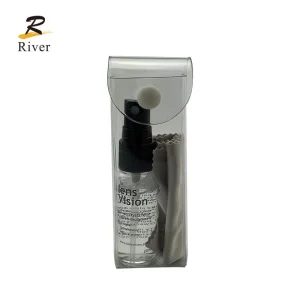
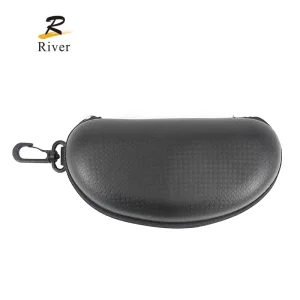
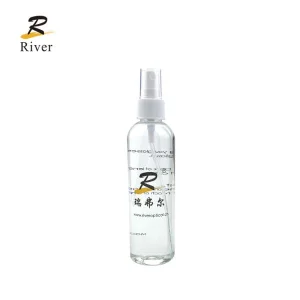
  • 1. Packaging & Cleaning: Cleaning spray, Microfiber cloth, Plastic & EVA Cases, Microfiber pouch, Tissue wipes, Paper bags, etc.
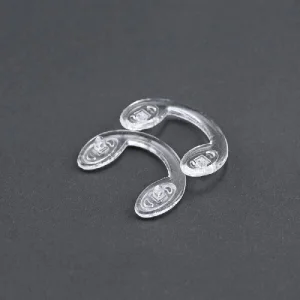
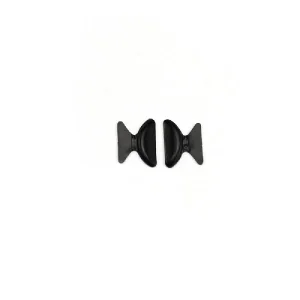
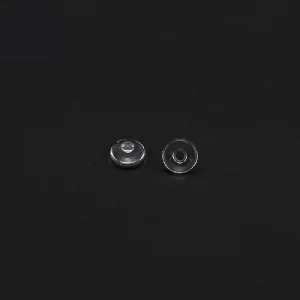
  • 2. Optical Accessories: Glasses chains, Plier, Screwdriver, Silicone Nose pads, Blocking pads, Antislip hooks, etc.
  • 3. Optical Equipment: Topcon, Essilor, NIDEK, TIANLE, XIANYUAN, JINGGONG, etc.
  • 4. Designer Frames: BOSS, JIMMY CHOO, BAI NIANHONG, CHNKELUOXIN, Playboy, PENGKE, Kiss my mudoo, Excellandun, etc.
  • 5. High-Index Lenses: ESSILOR, ZEISS, HOYA, Synchrony, CHEMI, etc.
  • 6. Contact Lenses: ALCON, BAUSCH+LOMB, HYDRON, HORIEN, COOPERVISION, etc.
Danyang River Optical Facilities and Products Showcase

5G One-Stop Digital Platform Introduction

Rapid social development, iterative update of science and technology, with the advent of the 5G Internet era, the entire business system is undergoing earth-shaking changes, the traditional glasses mall offline business model is facing great challenges, in order to more quickly and efficiently serve the glasses industry retailers, we have developed a one-stop online procurement service platform for glasses retail stores.

4 Core Functions

Garage lens customization, glasses store marketing and professional skills training, exclusive membership services, and private domain traffic promotion.

6 Main Categories

Optical lenses, optical frames, sunglasses, contact lenses, glasses equipment, accessories and consumables.

8 Core Advantages

Complete product types, quality assurance, timely delivery, high-quality after-sales, worry-free returns, famous international brands, convenient procurement, and clear price advantages.

Supply Assurance

Independent online operation & QC team strictly controlling raw materials, safety production, and overstock optimization.
Frequently Asked Questions (FAQ) for B2B Procurement
Technical insights and purchasing guidance directly answered by our senior packaging engineers and quality assurance directors.
What is the typical Minimum Order Quantity (MOQ) for custom plastic glasses cases?
For standard plastic cases utilizing existing mold designs with custom color matching (Pantone) and logo silk-screening/hot-stamping, our standard MOQ starts at 1,000 units. For fully customized structural molds requiring bespoke CAD design and steel tooling, the initial order commitment is typically 3,000 to 5,000 units depending on unit geometry and material specification.
How do you prevent plastic outgassing from damaging delicate optical lens coatings?
We strictly enforce the use of medical-grade or food-contact-safe virgin resins along with REACH-compliant VOC-free water-based adhesives for interior flocking bonding. All completed batches undergo forced heat-curing in ventilated drying chambers for 24–48 hours prior to packaging to ensure zero volatile organic compound (VOC) outgassing that could fog or react with anti-reflective (AR) lens coatings.
What testing standards are performed on living hinges in plastic cases?
Our injection-molded living hinges (primarily engineered from optimized Polypropylene polymers) undergo automated fatigue testing. A pneumatic mechanical arm flexes the case hinge from 0° to 180° at a rate of 30 cycles per minute for a minimum of 10,000 continuous cycles without showing micro-fractures, stress whitening, or structural failure.
Can post-consumer recycled (PCR) plastics match the durability of virgin plastic cases?
Yes. By blending high-purity GRS-certified post-consumer recycled plastic (up to 70% rPP or rPET) with precise elastomer toughening agents, we achieve mechanical impact strength and tensile performance virtually identical to 100% virgin polymer resins, satisfying both sustainability goals and drop-test standards.
What is the standard lead time for OEM mold tooling and mass production?
Standard prototype tooling takes 7 to 10 business days. Final multi-cavity production mold creation requires 18 to 25 days. Once tooling is validated and golden samples are approved, mass injection production typically delivers 50,000 units within 15 to 20 days.