
Top 10 Types of Sunglasses Cases for Global Buyers?

Time:2026-09-13 Author:Charlotte
0%

Choosing the right Sunglasses Case is not a minor packaging decision. It affects protection, shipping efficiency, brand perception, and customer satisfaction across markets.

Dr. Gary Heiting, an eyewear industry expert and optometrist, has noted, “Sunglasses are valuable optical products that deserve protection from scratches, pressure, and heat.” This principle guides our review of the top ten case types for global buyers. A rigid EVA case may protect polarized lenses during air freight, while a soft microfiber pouch suits lightweight retail packaging. Leather cases can signal premium quality, but they may increase costs and require careful material sourcing. Aluminum cases offer strength, yet their weight may reduce shipping efficiency.

Details matter.

The comparison also includes magnetic cases, foldable cases, hanging cases, travel organizers, recycled-material cases, and custom-branded designs. Each option serves a different purchasing goal. A distributor may prioritize stackability and carton volume. A luxury brand may focus on stitching, odor, and tactile appeal. An outdoor retailer may need water resistance and a secure zipper. These differences make universal recommendations difficult. Honestly, no single Sunglasses Case wins every market.

Global buyers should examine lens clearance, hinge pressure, lining quality, packaging dimensions, and sample performance before placing large orders. A case that looks elegant online may collapse under warehouse handling. That mistake is easy to overlook. Reliable suppliers should provide material specifications, testing details, and consistent production samples. This guide offers a practical framework, while leaving room for further questions about sustainability, regional preferences, and real-world durability.
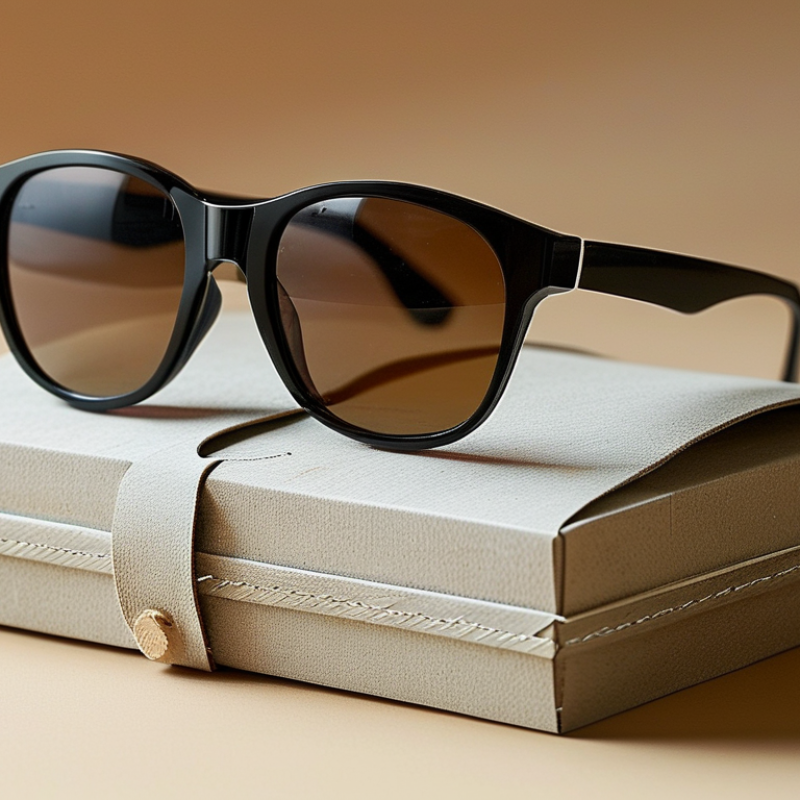
Top 10 Types of Sunglasses Cases for Global Buyers?

What Are Sunglasses Cases and Why Do Global Buyers Need Them?

Sunglasses cases are protective containers designed to hold, organize, and transport eyewear. They may use hard shells, soft fabric, molded plastic, or recyclable paperboard. Common formats include zipper cases, snap cases, drawstring pouches, folding cases, and compact travel boxes. Each type balances protection, weight, appearance, and production cost differently. A rigid case protects lenses from pressure inside a crowded bag. A soft pouch reduces scratches but offers less impact resistance. That difference matters.

Global buyers need sunglasses cases because eyewear moves through many hands and environments. Products may face warehouse stacking, sea freight, air freight, humidity, dust, and sudden temperature changes. A reliable case limits lens scratches, frame bending, and packaging-related returns. It also improves the customer’s first experience after delivery. In my sourcing experience, buyers often focus on case appearance first. That can be a mistake. Interior lining, hinge strength, odor, stitching, and closure testing deserve equal attention.

Practical buyers should match the case with the eyewear shape, sales channel, and destination climate. A lightweight pouch may suit retail bundles, while a reinforced case better supports premium or online shipments. Materials should be checked for consistent thickness and clean finishing. Samples should be opened repeatedly, packed, dropped, and stored under realistic conditions. Not every “protective” case performs well. I have seen attractive cases collapse under modest pressure. That result is easy to miss without testing. Clear specifications, inspection records, and honest supplier communication make purchasing more dependable.

Which Materials and Construction Styles Define Sunglasses Cases?

For global buyers, sunglasses case materials should match climate, shipping conditions, and expected retail price. Molded EVA offers light weight, water resistance, and dependable impact protection. It suits travel-focused collections. Polyurethane cases provide a smoother surface and flexible cushioning. However, softer coatings may show scratches after repeated handling.

Hard-shell cases usually combine an outer fabric layer, a rigid frame, and an inner lining. This construction protects lenses from pressure inside crowded bags. Metal hinges can improve opening strength, but they may add weight and create more inspection points. Zippered designs are easier to pack flat, while snap closures provide faster access. Details matter.

Natural leather gives a warm texture and can develop character over time. It may still require careful moisture control during storage. Recycled fabric supports a practical sustainability message, but buyers should verify fiber content and durability claims. I have found that stitching density, edge binding, and adhesive coverage often reveal more than surface appearance. A case can look premium and still fail around the hinge. That is easy to miss.

For quality checks, press the shell gently, open the closure repeatedly, and inspect the lining for loose fibers. Test samples in warm and humid conditions when possible. A thicker wall is not always better. It may increase freight costs and discourage everyday use. The best construction balances protection, tactile comfort, production consistency, and realistic customer habits.

Top 10 Types of Sunglasses Cases for Global Buyers

Construction features are compared across four practical criteria: rigid outer protection, internal padding, secure closure, and crush resistance.

Rigid clamshell, molded plastic, and aluminum cases provide the highest level of structural protection. Sleeves and pouches are lighter and more portable, but generally offer less resistance to impact and compression.

What Are the Top 10 Types of Sunglasses Cases?

What Are the Top 10 Types of Sunglasses Cases?

Sunglasses cases now serve different users, climates, and storage habits. The Vision Council’s 2024 Consumer Insights report indicates that roughly four in five U.S. adults wear sunglasses. That broad usage increases demand for practical protection. The ten leading case types include hard-shell cases, soft pouches, microfiber sleeves, EVA molded cases, zippered cases, magnetic cases, folding cases, hanging cases, travel organizers, and multi-pair cases. Each design solves a different problem.

Hard-shell cases resist crushing inside crowded bags. EVA molded cases add structure while staying relatively light. Soft pouches suit pockets and short trips, but they offer limited impact protection. Microfiber sleeves reduce lens dust and can support quick cleaning. Zippered cases help prevent accidental opening. Magnetic cases provide fast access, although weak closures may fail during movement. Folding cases save space. That feature matters.

Grand View Research reports continued growth in the global eyewear market, driven partly by fashion use and rising consumer access. More eyewear also means more storage choices. Travel organizers can separate several pairs, while hanging cases keep sunglasses visible near a car visor or entryway. Leather-style cases feel refined, but material quality varies sharply. A low-cost lining may scratch coated lenses. The ranking is not absolute. Buyers should test hinge strength, seam quality, lining softness, and closure reliability before placing large orders. A case that looks attractive online can still feel awkward in daily use. Sources: The Vision Council, Consumer Insights 2024; Grand View Research, Eyewear Market Size Report.

Top 10 Types of Sunglasses Cases for Global Buyers

Rank Case Type Common Materials Protection Level Key Advantages Typical Limitations Best-Suited Use Portability
1 Zippered EVA Hard Case EVA foam, polyester or nylon fabric, metal or plastic zipper High Resists crushing, scratches, dust, and minor moisture; lightweight for travel Bulkier than a soft pouch; zipper quality affects service life International travel, shipping, sports eyewear, and everyday protection Lightweight and easy to pack
2 Clamshell Hard Case Polypropylene, ABS plastic, molded fabric, or coated synthetic material High Rigid structure protects lenses and frames from pressure; easy one-hand opening Uses more storage space; plastic versions may be less flexible Retail packaging, luggage, backpacks, and protective storage Moderate; shape remains fixed
3 Soft Microfiber Drawstring Pouch Microfiber, polyester, cotton, or recycled textile blends Medium Very light, compact, low-cost, and useful for cleaning lenses Provides limited crush protection and may not prevent frame bending Retail promotions, pocket carry, and lightweight daily use Excellent; folds flat when empty
4 Zippered Soft Case Nylon, polyester, canvas, microfiber, and foam padding Medium More protective than a simple pouch while remaining flexible and affordable Can be compressed under heavy objects; fabric may absorb moisture Daily commuting, handbags, backpacks, and promotional programs Good; flexible and easy to store
5 Leather or Synthetic-Leather Case Full-grain leather, bonded leather, polyurethane, microfiber lining Medium Premium appearance, durable surface, and broad appeal for gift-oriented sales Usually heavier than textile cases; genuine leather requires care Premium retail, gifting, business accessories, and fashion collections Good; generally compact
6 Metal Eyewear Case Aluminum, stainless steel, tinplate, metal hinges, textile lining High Strong resistance to crushing, durable exterior, and long service potential Heavier than most fabric or plastic options; may dent or scratch Long-term storage, industrial environments, and rugged travel Moderate; rigid and heavier
7 Wooden Eyewear Case Bamboo, plywood, hardwood, veneer, fabric or felt lining Medium Distinctive natural appearance, rigid structure, and potential for reusable packaging Heavier and less moisture-resistant unless properly finished Gift packaging, eco-oriented collections, and display-focused retail Moderate; rigid construction
8 Magnetic-Flap Case PU leather, textile, cardboard reinforcement, magnets, soft lining Medium Quick access, clean appearance, and convenient closure without a zipper Magnetic closure may open under force; limited protection against crushing Handbags, office use, fashion accessories, and gift sets Good; slim and easy to carry
9 Foldable or Collapsible Case Textile, synthetic leather, thin plastic panels, foam inserts, snaps Medium Reduces storage volume when empty and supports efficient retail or export packing Protection depends on panel strength and correct assembly Travel kits, space-saving packaging, and e-commerce fulfillment Excellent when collapsed
10 Multi-Slot Sunglasses Organizer Fabric, faux leather, acrylic, MDF, foam dividers, or transparent panels Medium Stores several pairs separately and improves product organization and visibility Less convenient for single-pair carry; larger storage footprint Homes, optical counters, retail displays, and collection storage Low to moderate; designed for multiple pairs

Protection ratings are comparative and depend on construction quality, lining thickness, closure design, and material specifications.

How Do Sunglasses Cases Differ in Protection, Portability, and Design?

Top 10 Types of Sunglasses Cases for Global Buyers

How Do Sunglasses Cases Differ in Protection, Portability, and Design?

Sunglasses cases vary widely in protection, portability, and daily comfort. Hard-shell cases resist crushing inside a crowded backpack or suitcase. Their firm walls protect lenses from pressure and accidental drops. EVA cases offer similar structure with less weight. Metal cases feel strong, but they can add noticeable bulk.

Soft fabric pouches are light and easy to carry. However, they mainly protect against scratches, dust, and minor contact. Neoprene sleeves provide flexibility and a closer fit. Foldable cases save space during travel, though their protection may decrease when fully collapsed. Belt cases improve access, but their appearance may not suit every customer.

Design details often decide long-term satisfaction. A smooth microfiber lining helps reduce lens marks. A secure zipper prevents the glasses from sliding out. Magnetic closures feel convenient, but weak magnets can open inside a bag. A small internal divider can protect two pairs from touching. Fit matters. An oversized case wastes space, while a tight case may press against the frames.

From practical testing, moisture-resistant materials help in humid climates. Yet, no case handles every condition perfectly. I once chose a compact pouch for travel and regretted its weak structure. Buyers should compare frame size, hinge shape, weight, closure strength, and cleaning requirements before ordering large quantities. Prices can influence quality, but expensive materials do not always create better protection.

How Can Global Buyers Select the Right Sunglasses Case?

How can global buyers select the right sunglasses case?
Start with the user’s routine, not appearance. A hard case suits luggage, while a soft pouch saves space in handbags and retail cartons. Measure lens width, bridge height, and temple length before requesting quotations. Add 5–8 millimeters of internal clearance. Too little space strains hinges; too much lets frames move. In sourcing reviews, internal measurements often reveal more than polished product photos. Ask for drawings, material thickness, and closing-force details. A case should feel secure, but not difficult to open.

Climate and sales channel also shape the decision. Humid regions need moisture-resistant linings, reliable zippers, and dry storage during shipment. Dusty markets may favor smooth surfaces that wipe clean quickly. For premium shelves, texture and stitching matter, yet durability remains measurable. Request abrasion, drop, odor, and zipper-cycle test records. Check whether tests match the actual case construction. A recurring sourcing mistake is approving one attractive sample. Inspect several samples, because glue marks and uneven seams may appear later. I would also test a packed case inside a backpack and a crowded carton. Real pressure exposes weaknesses that a showroom table hides.

Cost comparisons should include packaging, carton volume, customization, and shipping damage risk. A low unit price can become expensive when cases waste warehouse space. For custom colors or printed patterns, approve a physical color reference. Digital screens can mislead. One uncomfortable lesson is that premium materials do not always improve user satisfaction. Some feel impressive but become slippery, heavy, or unpleasant in warm weather. Buyers should record these trade-offs and ask end users for feedback. The best choice is not perfect; it is predictable, serviceable, and suitable for the target market.

FAQS

Which materials are commonly used for sunglasses cases?

Common materials include molded EVA, polyurethane, fabric, microfiber, and natural leather. Each offers different weight, texture, moisture resistance, and protection. Trade-offs matter.

Why are hard-shell cases useful for daily storage?

Hard-shell cases resist pressure inside crowded bags and protect lenses from crushing. They usually combine fabric, a rigid frame, and a soft inner lining. They can feel bulky.

What are the advantages of molded EVA cases?

Molded EVA cases are lightweight, water-resistant, and reasonably impact-resistant. They suit travel collections and active users. Their shape may limit pocket storage.

Are soft pouches suitable for strong protection?

Soft pouches fit pockets and short trips comfortably. However, they provide limited protection against heavy pressure or dropped bags. Use them carefully.

How do closures affect sunglasses case performance?

Zippers reduce accidental opening, while snap closures offer faster access. Magnetic closures feel convenient but may open during movement if weak. Test them repeatedly.

What should buyers inspect before placing a large order?

Press the shell gently, open the closure repeatedly, and check the lining for loose fibers. Inspect stitching density, edge binding, adhesive coverage, and hinge movement. Small defects matter.

Is a thicker case always better?

Not always. A thicker wall can improve protection but increase freight costs and reduce everyday comfort. Balanced construction usually performs better.

How should case materials match climate and storage conditions?

Humid climates require careful moisture control and practical water resistance. Natural leather may need dry storage, while molded materials handle travel exposure more easily. Conditions vary.

What makes a case suitable for multiple sunglasses?

Travel organizers and multi-pair cases separate several pairs and reduce lens contact. They work well for households, retailers, or frequent travelers. Extra capacity adds weight.

How can buyers evaluate sustainability claims?

Recycled fabric can support a practical sustainability message. Buyers should verify fiber content, durability, and construction details instead of trusting appearance alone. Claims need checking.

Conclusion

Sunglasses cases are essential accessories that protect eyewear from scratches, pressure, dust, and accidental impact during storage and transportation. For global buyers, choosing the right Sunglasses Case can improve product value, customer satisfaction, and shipping convenience. Cases are made from materials such as hard plastic, metal, leather, fabric, EVA, and recycled textiles, with construction styles ranging from rigid shells and semi-hard cases to soft pouches, folding designs, zippered cases, magnetic closures, and compact travel organizers.

The top ten types include hard-shell cases, semi-hard cases, soft pouches, drawstring bags, zippered cases, magnetic cases, folding cases, clip-on cases, multi-pair organizers, and custom-shaped protective cases. Each type offers a different balance of protection, portability, appearance, capacity, and cost. Global buyers should evaluate the eyewear size, intended market, shipping conditions, material durability, closure security, interior padding, customization needs, and target price before selecting a suitable case. A well-matched Sunglasses Case should combine reliable protection with convenient handling and an attractive design.

Charlotte

Charlotte

Charlotte is a seasoned marketing professional with a deep understanding of the company's portfolio and a passion for elevating its presence in the market. With a keen eye for detail and a commitment to excellence, she ensures that our professional blog is regularly updated with insightful articles......